Transforming Financial Burdens to Prosperity: Transform Your Economic Future
Handling your financial situation can frequently feel overwhelming, particularly in a society where costs appear to constantly outweigh income. For many, the transition from debt to wealth is simply a aspiration but a realistic goal that can be achieved with the appropriate strategies and insights. Understanding financial management is crucial; it is the foundation upon which you can create a stable and prosperous financial future. This manual will explore various aspects of financial literacy, providing you with the skills and knowledge needed to navigate your financial situation.
As you start this journey, you will uncover effective ways to develop a tailored management plan crafted to your way of life. Whether you are an person looking to enhance your personal finances or a entrepreneur seeking to boost your bottom line, understanding the skill of managing money effectively is essential for sustained success. From planning an effective budget and monitoring expenses to setting realistic financial goals, this piece will provide helpful advice to help you transform your financial future.
Understanding Finance Management
Finance management is the method of structuring, coordinating, guiding, and overseeing the financial processes of an person or an entity. This covers the management of financial resources, capital investment decisions, capital structure, and budgeting. Effective financial management is vital for attaining financial stability and long-term viability, allowing individuals and companies to maneuver through challenges while seizing opportunities for growth.
At its essence, financial management aims to maximize the value of an organization by making informed decisions based on data analysis and future projections. It involves developing financial strategies that align with objectives, assessing performance through financial statements, and making certain that resources are used efficiently. Grasping the principles of finance management enables individuals to make sound economic choices that contribute to sustained wealth creation and stability.
The importance of financial management goes beyond just monitoring costs; it also involves strategizing for the future. https://telegra.ph/The-Art-of-Budgeting-Strategies-for-Achievement-10-26 helps individuals and organizations predict potential financial outcomes and get ready for unexpected challenges. By developing a comprehensive grasp of financial management, you can cultivate a forward-thinking approach to your finances, which is essential for changing your financial future.
Formulating a Individual Financial Plan
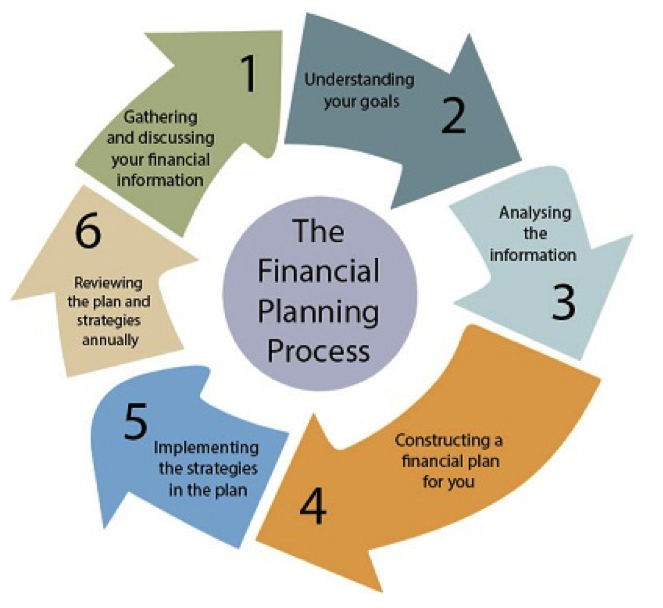
Building a private financial plan is crucial for achieving financial well-being and sustainable wealth. Start by assessing Additional resources , which includes your income, expenses, assets, and liabilities. This thorough evaluation provides a transparent picture of where you stand and helps identify areas for improvement. It is key to differentiate between your necessities and wants, as this forms the basis for making informed financial decisions.
Once you have a solid understanding of your financial status, define achievable financial goals. These goals can be temporary, like saving for a vacation, or lasting, such as retiring happily or buying a home. It is important that your goals are clear-cut, measurable, achievable, relevant, and time-bound. By setting concise objectives, you can develop actionable steps to reach them, such as increasing your savings rate or cutting unnecessary expenditures.
Ultimately, keep an eye on your progress and modify your plan as needed. Regularly reviewing your financial plan allows you to stay on track and adapt to potential changes in your life, such as a new job, a raise, or unexpected expenses. Employ tools like budgeting apps or spreadsheets to keep tabs on your finances. Keep in mind, a individual financial plan is not static; it develops with your life circumstances, helping you to maintain financial health and work towards your goals efficiently.
Approaches for Smart Money Management
One of the key strategies for efficient money management is to formulate a comprehensive budget that aligns with your financial goals and lifestyle. Commence by tracking your income and expenses to determine where your money is being spent. Use this information to set aside funds properly for essential needs, savings, and discretionary spending. A well-structured budget not only helps you avoid overspending but also acts as a roadmap for reaching your financial objectives.
Another vital strategy is to establish an emergency fund. This savings buffer is designed to address unexpected expenses or financial emergencies, providing security and financial stability. Aim to save at least three to six months' worth of living expenses in a separate, easily accessible account. An emergency fund protects you from debt accumulation during unforeseen circumstances and allows you to manage your finances more confidently.
Ultimately, learn about handling debt wisely. Prioritize paying off high-interest debts first and explore consolidating loans if it lowers your interest burden. Regularly review your financial progress and modify your strategies as needed to improve your financial health. By utilizing these smart money management approaches, you can revolutionize your methodology to personal finance and create a secure financial future.