The Economic Fitness Program: Building a Financial Plan Which Functions
Managing personal finances can often feel overwhelming, yet it is a crucial factors of reaching personal and professional achievement. The management of finances is the practice that empowers people and companies to efficiently allocate their resources, establish feasible financial goals, and choose effectively about how to spend. It is essential in providing sustained stability and assists in steering clear of common pitfalls that might happen from poor money management. Grasping the foundations of financial management is crucial for any individual seeking to boost their financial well-being.
In this article, we will discuss how to create a financial plan that works for your way of life. We intend to provide you with useful tools and strategies for effective financial management, whether you are a beginner or looking to refine your current strategies. From handling borrowing to creating a savings plan, we will address common obstacles and provide answers to improve your economic well-being. By the conclusion of this article, you will be prepared with the information to handle your money and pave the way for a secure future.
Comprehending Finance Management
Finance management is defined as the planned direction, coordination, supervising, and managing of capital to reaching an entity's financial objectives. It entails conducting well-founded decisions about budgeting, capital allocation, and managing funds to ensure that resources are used efficiently and productively. A solid grasp of finance management is vital for both individuals and businesses, as it lays the groundwork for monetary stability and growth.
The importance of finance management cannot be overstated. It aids individuals and businesses monitor their revenue and expenditures, which simplifies to pinpoint aspects where savings can be realized or investments secured. Furthermore, it offers the resources necessary to define financial goals, analyze results, and implement changes as necessary. By employing sound finance management strategies, businesses can steer clear of financial pitfalls and capitalize on chances for expansion.
In the current volatile economic environment, sound financial management is more critical than ever. With heightened complexity in capital markets and the fast advancement of technology, staying informed about top methods in finance management empowers persons and businesses to manage obstacles and take prospects. Embracing these principles not only enhances financial health and also encourages sustainable prosperity and robustness.
Formulating an Efficient Budget
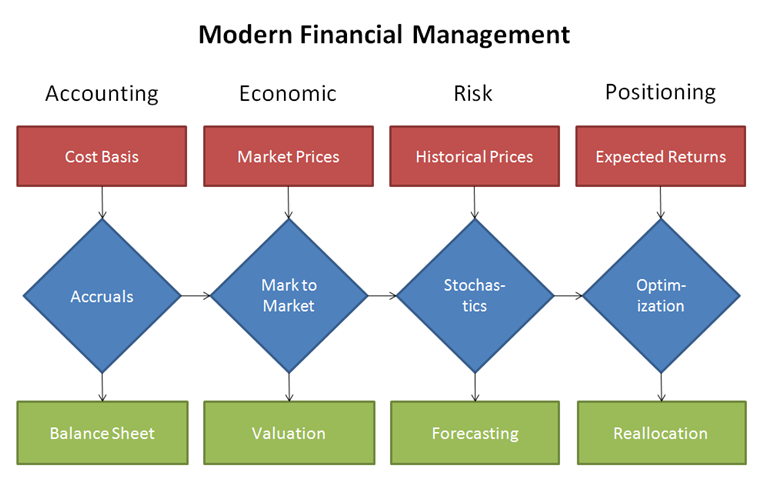
Establishing an effective budget is a fundamental step for attaining monetary stability and prosperity. It starts by evaluating your current monetary situation, which includes your income, expenses, and debts. This evaluation allows you to identify where your money is spent and aids in recognizing areas where you can cut back. Assemble all necessary financial information, such as bank statements and receipts, to gain a clear understanding of your spending habits.
Once you have a thorough view of your finances, the next step is to categorize your expenses. Separate https://financialmanagementcornwall.com/ into static expenses, like rent and utility bills, and flexible expenses, such as groceries and entertainment. This categorization helps you emphasize essential spending while identifying discretionary areas where changes can be made. It’s vital to be practical about your spending habits, providing for some leeway to accommodate occasional splurges without derailing your budget.
After categorizing your expenses, it’s time to establish spending limits for every category. Ensure that your budget aligns your income against your expenses while reflecting your personal financial goals. Monitor your budget regularly, making changes as needed based on variations in income or unexpected expenses. By adhering to this budget and evaluating it regularly, you not only enhance your financial health but also build a foundation for sustained success.
Strategies for Sustainable Financial Success
Attaining continuous financial achievement requires a hands-on approach to overseeing your finances. One proven strategy is to create a thorough financial management plan that details your aspirations, spending plan, and savings initiatives. By articulating what you hope to accomplish financially, you can assign resources efficiently and ensure you are on a path to meet your objectives. This plan should be revisited frequently to respond to any modifications in your financial situation or total life circumstances.
Another important strategy is to diversify your investments. Depending exclusively on one type of asset can subject you to higher risks. By spreading your investments over different asset classes, such as stocks, bonds, and real estate, you can minimize risk and likely enhance returns. Additionally, take into account leveraging tax-advantaged accounts, such as retirement savings plans, which can help grow your wealth over time while lowering your taxable income.
Finally, focus on lifelong learning about financial management. Keep updated about economic trends, personal finance strategies, and investment opportunities. This continuous education can equip you to make more informed financial decisions and adjust to shifting market conditions. Engaging with financial professionals or attending educational workshops can further enhance your knowledge, ensuring that you remain equipped to navigate your financial journey successfully in the long run.