Retirement Planning: Secure Your Tomorrow with Intelligent Economic Options
Retirement planning is a crucial aspect towards ensuring your financial future and achieving financial stability in your golden years. As we navigate through different life phases, understanding the basics of financial management becomes important. Financial Advisers Newquay enables us to make informed decisions about our finances but also helps us create a solid foundation for our retirement objectives. Pension Advisers Truro includes budgeting, setting aside money, investments, and managing liabilities, all of which play a crucial role in defining our financial landscape.
In this article, we will explore the important aspects of financial management and its importance in both personal and professional settings. Whether you are just beginning your financial journey or looking to enhance your current strategies, this guide will offer you valuable insights. From developing a robust personal financial plan to understanding the importance of cash flow management, we will cover various strategies and recommendations that will empower you to ensure your future and create long-term financial security through wise choices.
Comprehending Monetary Oversight
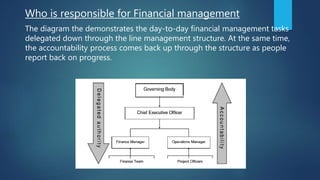
Fiscal management refers to the method of organizing, directing, and overseeing financial activities to reach an organization's objectives or an individual's economic objectives. It encompasses a wide range of activities, including allocating resources, forecasting, investment analysis, and accounting. By successfully overseeing finances, people and companies can ensure that they have the capital necessary to meet their commitments and invest in future growth.
The importance of fiscal management cannot be overstated, as it provides a basis for making informed financial decisions. Good financial management helps in understanding how to manage resources efficiently, mitigate risks, and take make use of investment opportunities. For businesses, it is vital for maintaining operational stability and supporting planned initiatives, while for individuals, it lays the basis for achieving private and domestic financial objectives.
For beginners, grasping the basics of fiscal management is crucial. It starts with setting well-defined monetary targets, comprehending revenue and spending, and formulating a financial plan that aligns with business and business objectives. By cultivating these fundamental competencies and knowledge, people and startup founders can create a strong financial foundation that will encourage long-term success and stability.
Methods for Effective Budgeting
Establishing an impactful budget is the cornerstone of sound financial management. Commence by observing your income and expenses to comprehend how your money is spent each month. Utilize a basic spreadsheet or budgeting app to categorize your spending into fixed-rate expenses, fluctuating expenses, and discretionary spending. This clarity helps you locate potential areas for reducing expenses and allows you distribute funds more strategically towards your financial goals.
Once you have a comprehensive picture of your economic situation, define practical budgeting goals based on your results. Prioritize essential expenses and savings allocations before factoring in discretionary spending. A good strategy is to adhere to the 50/30/20 guideline: assign 50% of your income to necessities, 30% to non-essentials, and 20% to reserve funds and debt repayment. This framework ensures that you are not only meeting your current needs but also planning for future financial stability.
Finally, evaluate and change your budget frequently to account for changes in your financial situation. Life changes such as a job change, a additional family member, or unexpected expenses can influence your budget significantly. Monthly evaluations can support you remain focused and implement required changes. By maintaining flexibility and being forward-thinking about your financial management, you can guarantee that your budget remains applicable and successful in shaping your spending and saving habits.
Building Enduring Financial Security
Building long-term financial stability demands a forward-thinking approach to handling your finances. This entails creating a detailed financial plan that aligns with your aspirations and beliefs. Start by evaluating your current financial situation, including your income, expenses, debts, and savings. Understanding where you are is essential in drafting a concise roadmap for your financial future. Define realistic and attainable financial goals that can direct your efforts, whether they involve setting aside for retirement, purchasing a home, or supporting your child’s education.
Expanding your investments is another key strategy for sustained financial stability. A well-balanced investment portfolio can aid lessen risks and provide possible growth opportunities. Consider a mix of assets such as equities, bonds, and property, based on your financial goals and risk tolerance. It's also essential to periodically review and tweak your investment strategy in reaction to market changes or life events. Remaining informed about financial trends can aid in formulating better investment decisions.
In conclusion, nurturing good financial habits will contribute significantly to your sustained security. This entails budgeting to control daily expenses, saving consistently, and steering clear of unnecessary debt. Creating an emergency fund can provide a financial safety net during unforeseen circumstances. Additionally, working with a financial management expert can offer personalized insights and strategies to enhance your financial well-being. By implementing these practices, you can build a secure foundation for a protected financial future.