Is AdBlue System Removal Worth ? A Detailed Overview
In recent years, diesel vehicles have dealt with growing scrutiny due to stringent emission regulations, causing the extensive implementation of the AdBlue system. This novel solution helps reduce pollutant emissions from diesel motors, ensuring compliance with ecological standards. However, many vehicle owners and fleet managers are contending with the implications of the AdBlue process, prompting discussions about the notion of an AdBlue bypass. This guide aims to investigate the question of whether an AdBlue removal is really worth it, analyzing the different factors that drivers should weigh.
As we delve into the details of AdBlue bypasses, it is crucial to comprehend what this procedure entails and the possible benefits and drawbacks. From handling common problems that lead drivers to consider a delete to contrasting repair versus delete options for AdBlue, this article provides a thoroughly overview. By shedding light on the performance impacts, costs, and maintenance tips connected to AdBlue technology, we aim to equip readers with the information they need to make wise decisions regarding their diesel cars. Whether you are a fleet owner or an solo driver, grasping the details of AdBlue is essential in dealing with modern diesel landscape.
Grasping AdBlue and Its Functionality
This solution is a liquid made of distilled water and urea, used in selective catalytic reduction (SCR) systems in diesel cars. AdBlue Delete Buckinghamshire is to reduce toxic nitrogen oxide gases produced during combustion. When injected into the exhaust stream, AdBlue interacts with nitrogen oxides, transforming them into safe nitrogen and water gas. AdBlue Delete Buckingham aids vehicles meet rigorous emissions regulations but also helps to a healthier environment.
The this AdBlue system consists of a reservoir, a dispenser, and a set of monitors that observe the system's operation. When the engine is functioning, the vehicle's onboard computer oversees the precise injection of this fluid into the emission system. The procedure is designed to be self-operating, ensuring the vehicle works efficiently while minimizing emissions. Understanding this process is essential for diesel vehicle owners seeking maintain compliance and enhance performance.
Despite its benefits, these systems can run into issues resulting in operational challenges. Common problems include crystallization in the tank, system breakdowns, and drained reservoirs, all of which can result in alerts and lowered engine performance. By recognizing how AdBlue functions within the vehicle's emissions system, owners can better address potential problems and guarantee their systems are working efficiently.
Pros and Cons of AdBlue Delete
A major benefit of deleting the AdBlue system is the possibility of enhanced engine performance. Many diesel vehicle owners have reported an increase in horsepower and torque after removing the AdBlue system, leading to a better driving experience, especially for those engaged in towing or heavy-duty tasks. Additionally, deleting the AdBlue system can simplify maintenance, as it eliminates the need for regular AdBlue refills and the associated risks of system failure related to leaks or crystallization.
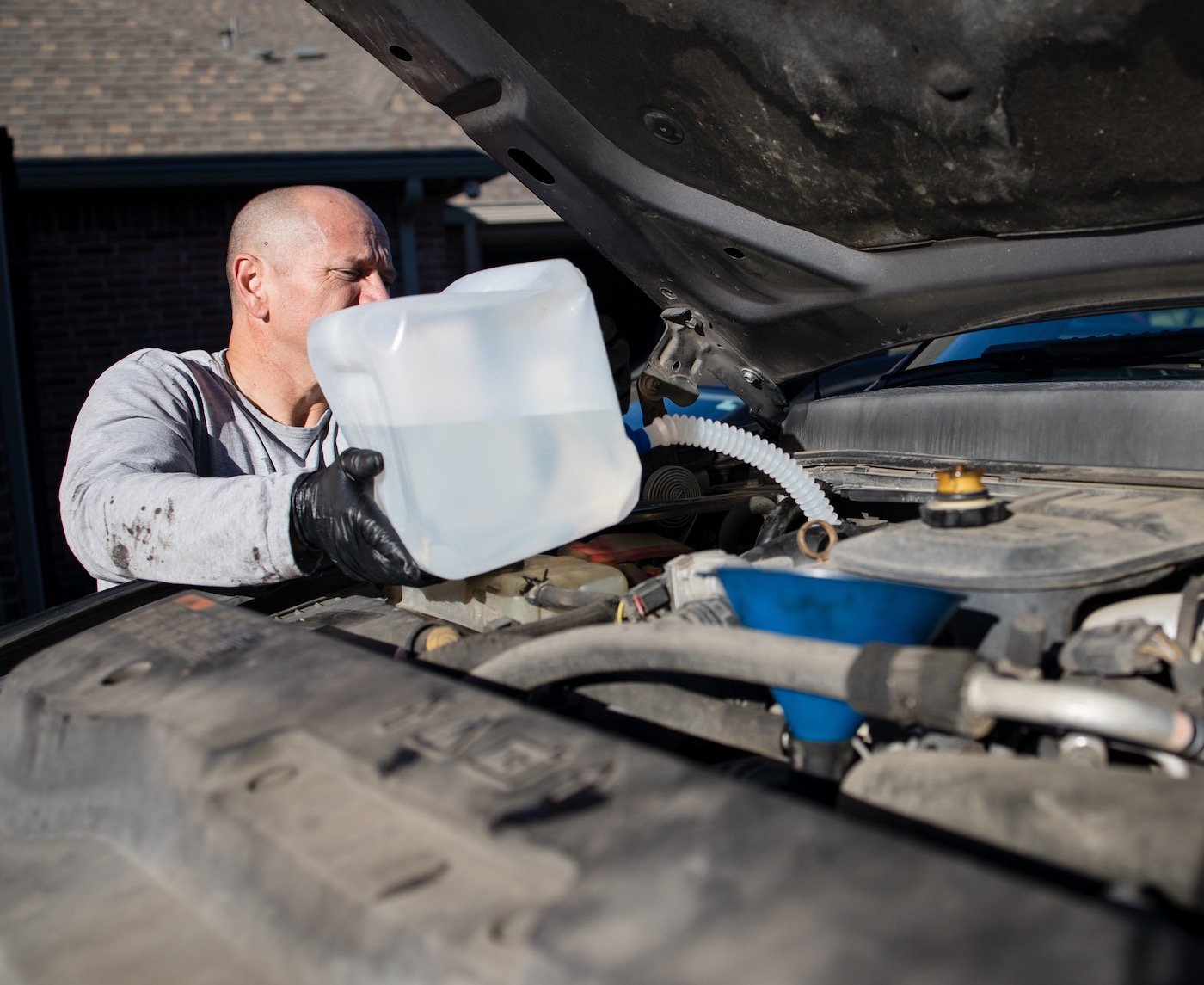
On the other hand, there are considerable disadvantages that should be taken into account prior to deciding on an AdBlue delete. One major concern is the potential for legal repercussions. Various areas enforce stringent emissions regulations, and the removal of the AdBlue system could make a vehicle non-compliant, resulting in potential fines or penalties during inspections. Furthermore, deleting the system can negatively impact the vehicle's emissions output, contributing to environmental pollution and potentially harming public health.
In conclusion, while certain drivers could benefit from short-term savings linked to avoiding AdBlue maintenance, the long-term financial outcomes might be negative. If problems develop from the delete, replacing or repairing parts of the diesel emissions system can prove to be expensive. Additionally, fleet owners may face increased liability and operational costs due to potential downtime or regulatory challenges. Balancing performance benefits against these risks is crucial for anyone considering an AdBlue delete.
AdBlue Unit Care and Troubleshooting
Regular maintenance of the DEF system is vital for maintaining its effectiveness and performance. This includes inspecting the AdBlue liquid levels and the state of the reservoir, as well as assessing the associated components such as the injection system and pump. Keeping the system clear and protected against contaminants will help prevent issues like crystallization, which can clog the system and lead to financial fixes. Additionally, routine checks can detect signs of deterioration or damage early, allowing for prompt interventions that keep the system operational effectively.
Troubleshooting AdBlue issues often begins with checking the car's dashboard for warning lights. Common warnings may suggest depleted DEF levels or problems within the SCR unit. Using troubleshooting devices can help locate the exact issue, such as a failing component or blocked injector. Vehicle owners should consult their automobile's manual for instructions on interpreting these alerts and adhere to any advised fixes to address issues effectively.
For businesses with multiple vehicles, having a effective maintenance plan is key to minimizing vehicle inoperation that can arise due to DEF unit breakdowns. Implementing frequent inspections and upkeep routines ensures that all operator staff are knowledgeable of proper AdBlue management and administration. Training staff on spotting early signs of DEF system problems can further enhance the durability of the vehicles and uphold compliance with environmental standards, ultimately boosting the overall effectiveness of the group of vehicles.