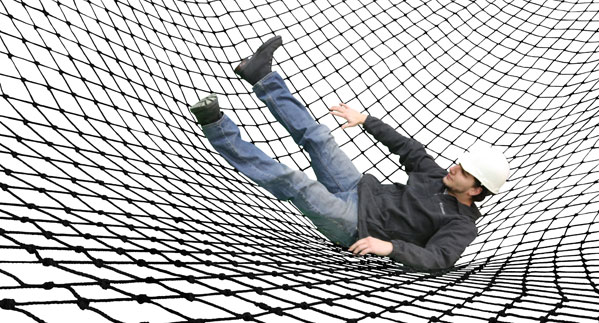
Creating Efficient Safety Netting
In the fast-paced world of construction, ensuring the protection of workers and the community alike is of critical importance. Among the different safety measures implemented on job sites, safety netting stands out as a crucial line of defense against falls and incidents. This protective system not only protects the lives of those working at heights but also safeguards equipment and materials from potential damage. Understanding what safety netting is and why it is essential in current construction projects can make a significant impact between a safe site and one exposed to danger.
This article aims to serve as a comprehensive guide to designing effective safety netting frameworks, tailored to the distinct needs of different construction environments. We will analyze the varied types of safety netting available, how to select the correct netting for specific projects, and the best practices for installation and maintenance. In addition, we will tackle common misconceptions and mistakes that can lead to risks on the job, as well as the compliance requirements that contractors must navigate to ensure compliance. Through this exploration, we seek to enhance your understanding of safety netting and its role as an essential component of an comprehensive safety plan in construction. ### Grasping Safety Nets Essentials
Netting is an essential component of fall protection measures in building and other industries where workers operate at heights. It acts as a crucial safety measure that arrests plummeting people, tools, and items, drastically minimizing the risk of serious injuries or deaths. By creating a safeguard beneath elevated work areas, safety netting provides a reliable safety net that ensures employees can carry out their duties without the perpetual fear of falling. Understanding its significance is crucial for promoting a environment of security on modern job sites.
The construction and materials of safety netting have a significant role in its efficacy. There are various types of safety netting, each suited for specific applications and environments. For example, lightweight nets may be ideal for temporary projects, while heavier-duty options are required for long-term installations. Moreover, factors like weight limits and environmental factors must be considered to ensure that the netting performs effectively under various stressors. Choosing the appropriate type of safety netting entails a thorough assessment of the job site’s unique requirements.
Integration of safety netting into a holistic safety plan is vital for enhancing its benefits. This entails installation best practices, regular maintenance, and compliance with safety regulations. Contractors must be well-versed in the standards that govern safety netting, including those set by OSHA, to ensure they meet legal requirements and maintain a safe working environment. Through effective planning and continuous monitoring, safety netting can greatly enhance site productivity while building employee confidence in their safety.
Safety Netting Best Practices
To ensure the effectiveness of fall protection nets, proper configuration is crucial. Begin by evaluating the specific circumstances of the workplace, including height, load ratings, and local weather patterns. Nets must be installed at a height that minimizes the risk of falls, while also ensuring they are securely anchored to handle the impact of a falling worker or materials. Regular checks during installation are important to detect any potential weak points or issues that could jeopardize safety.
Continuous maintenance and inspection of fall protection systems are critical components of a trustworthy safety netting framework. Conduct systematic checks to confirm the nets remain free of damage, wear, or debris that could diminish their effectiveness. Document inspections thoroughly and resolve any issues as soon as they come up. Also, inform team members on how to identify signs of wear or damage to the safety netting and encourage prompt reporting of any concerns.
Education plays a key role in the effectiveness of safety netting implementations. All workers must undergo thorough training on the importance of safety netting, how to operate safely around it, and the procedures for reporting problems. This not only boosts adherence to safety protocols but also cultivates a culture of safety on the job site. Including safety netting into the comprehensive safety plan will guarantee that workers comprehend its role in fall protection and how to employ it efficiently while boosting their self-efficacy in operating at heights.
Compliance and Standards in Safety Netting
Guaranteeing adherence with netting safety guidelines is essential for every construction projects. Various countries and areas have particular guidelines that outline the requirements for using safety netting to protect workers. In the United States, the Occupational Safety and Health Administration standards provide a detailed framework for fall safety, including the application of netting safety in various settings. Contractors must remain aware about the latest updates in regulations to prevent fines and ensure a safe working environment.
When selecting netting safety, it is crucial to understand the necessary certifications and specifications. Netting safety must adhere to specific load ratings and performance criteria to handle falls and impacts. Familiarity with these standards not only protects workers but also serves as a juridical protection for contractors. Routine inspections and adherence to manufacturer instructions further strengthen compliance and improve the efficacy of netting systems for safety.
The enforcement of safety netting regulations can substantially reduce legal liabilities on construction sites. By Safety Netting Benson Oxfordshire , contractors can demonstrate their dedication to security, which can be beneficial in legal settings. Moreover, a robust compliance record can enhance a company's standing, leading to more work opportunities in an sector that increasingly values safety and accountability.