Breathe More Easily: How Air Conditioning Units Elevate Indoor Air Quality
When weather rise and moisture becomes unbearable, a dependable air conditioning unit becomes a domestic essential. Nonetheless, Air conditioning units North Shields misjudge the function these units play in not just providing relief, but also in improving indoor air quality. With the appropriate air conditioning unit, you can establish a fresher living space by filtering out contaminants, allergens, and various dangerous particles from the atmosphere.
While thinking about investing in an air conditioning unit, it's crucial to investigate the various options available and grasp how they can benefit your house. From traditional systems to ductless models, each type has its own advantages and pitfalls. In this piece, we will delve into the key aspects of air conditioning units, equipping you with the information needed to determine the best system for your requirements while ensuring a clean indoor environment.
Deciding on the Best Air Conditioning Unit
Picking the appropriate air conditioning unit for your home is crucial for ensuring comfort and efficiency. Commence by evaluating the size of your space. An air conditioning unit that is too small will face challenges to cool your home effectively, while one that is excessive can lead to increased energy costs and humidity issues. To find the right size, compute the cooling capacity needed, often measured in BTUs, considering your home's square footage, ceiling height, and insulation quality.
Another important factor to evaluate is the type of air conditioning unit that fits your needs. You can select between central air conditioning systems, which distribute cool air via ductwork, or ductless mini-split systems, which offer versatility and energy efficiency for homes without pre-existing ducts. If you require cooling for a one room or a tiny home, portable or window units may be more economical options. Consider the pros and cons of each type based on your home's layout and your cooling requirements.
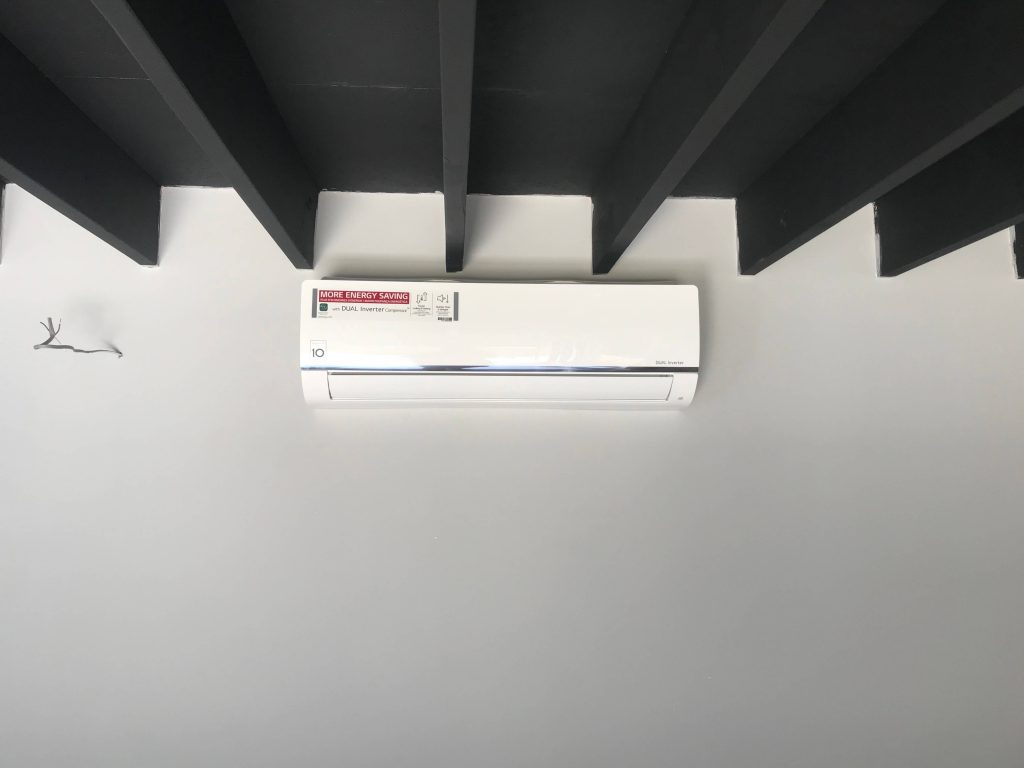
Lastly, energy efficiency should take a major role in your decision-making. Look for units with high SEER ratings, which signal greater efficiency and likely savings on your energy bills. Additionally, think about features such as smart thermostats, variable speed compressors, and eco-friendly refrigerants that can further enhance efficiency. By taking the time to assess these factors, you can make an informed choice that will keep your indoor environment comfortable while also being mindful of energy consumption.
Maintaining and Diagnosing AC Units
Consistent maintenance of air conditioning units is crucial for ensuring optimal performance and longevity. Begin by cleaning or replacing filters every 1 to three months, depending on usage. A clogged filter can restrict airflow, causing your unit function harder and diminishing its efficiency. Additionally, check the condensate drain to make sure it is clear of debris, as a blocked drain can cause water damage and increased humidity levels indoors.
In the event that your air conditioning unit does not cool effectively, there are common issues that can be easily fixed. First, ensure that the thermostat is set correctly and functioning properly. If the unit is operating but not cooling, inspect the outdoor condenser for debris or obstructions. Dirty coils can result in poor heat exchange, so cleaning them might fix the problem. If these steps do not correct the issue, it may be time to look into the refrigerant levels, as low refrigerant can also be a common reason of inadequate cooling.
If you frequently encounter problems with your air conditioning unit, think about keeping a quarterly maintenance checklist to stay ahead. Set up professional inspections at least 1 a year to detect potential issues before they become major repairs. Recognizing the signs your unit may need attention, such as unusual noises or increased energy bills, can help you address problems promptly and make certain your air conditioning system remains effective and functional.
Comprehending Energy Efficiency and Environmental Impact
Energy effectiveness is a crucial factor when picking an air conditioning unit. Contemporary units are engineered to require less power while delivering better temperature control performance. Power-saving models often come with a higher initial cost but can lead to significant cuts on energy costs over time. Additionally, units with enhanced SEER ratings indicate that they provide greater cooling efficiency per unit of energy expended, making them not only economical but also a more sustainable choice for households.
The ecological footprint of air conditioning units extends outside of just energy use. Older units may be reliant on refrigerants that are harmful to the atmosphere and lead to greenhouse gas release if leaked. Recent models often employ eco-friendly refrigerants which are formulated to reduce environmental harm. By selecting energy-efficient and environmentally conscious units, homeowners can minimize their carbon impact and help to a more environmentally-friendly future.
Regular maintenance and responsible operation of air conditioning units can additionally enhance their energy efficiency and lessen their environmental impact. Simple steps like maintaining filters, ensuring proper insulation, and using smart thermostats can boost performance while limiting energy use in balance. By being proactive, consumers can have a comfortable internal environment that supports energy conservation and environmental stewardship.